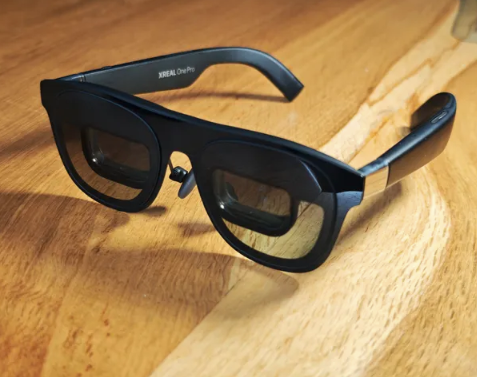
AR Glasses: The Next Big Thing?
AR glasses promise hands-free data, real-time prompts, and context-aware cues for daily tasks. Yet performance gaps persist: latency, occlusion errors, fragmented interfaces. Privacy, governance, and data sovereignty add friction, shaping adoption. Early pilots show limited gains, while scalability remains unsettled. With interoperable hardware and robust controls, the path to mainstream use may be gradual and selective. The question remains: will the promise outpace the practical hurdles enough to redefine workflows?
What AR Glasses Promise for Everyday Productivity
AR glasses are pitched as a shortcut to efficiency, promising hands-free access to data, prompts, and contextual cues that augment real-time decision making.
The assessment centers on AR interfaces shaping daily workflows, predicting reduced context-switching yet risking dependency.
Skeptical observers emphasize privacy tradeoffs, data sovereignty, and constant sensing as trend indicators, not guarantees, urging freedom-seeking users to weigh convenience against undercurrents of surveillance and control.
How AR Glasses Work: Tech, Privacy, and Usability in Practice
How do AR glasses actually orchestrate perception, interaction, and data flow in real time, and what gaps remain between promised capability and practical performance?
The system remains tightly coupled to sensors, processors, and displays, yielding uneven latency, occlusion errors, and fragmented interfaces.
Privacy implications emerge alongside always-on telemetry, while battery life constrains sustained use and credible autonomy under demanding conditions.
Skeptics demand measurable, user-centric improvements.
Use Cases and Industries Ready for AR Glasses Right Now
Industries are already testing where hands-free vision and on-demand data can add value, revealing a pragmatic map of use cases that align with current hardware and software limits.
While field pilots highlight efficiency gains and error reduction, skepticism persists about scalability, true productivity impact, and costly privacy challenges, with industry adoption uneven and demands for robust data governance shaping early adoption trajectories.
What It Takes to Go Mainstream: Costs, Adoption, and Roadblocks
Despite growing interest, mainstream adoption hinges on a tight calculus of cost, learning curves, and governance; early pilots reveal clear value but also persistent friction around price, interoperability, and privacy, suggesting that only solutions with scalable hardware, standardized software, and robust data controls will cross the chasm.
Cost considerations frame adoption hurdles, shaping measured momentum and essential governance, testing true freedom through disciplined deployment.
Frequently Asked Questions
How Long Do AR Glasses Last on a Full Charge in a Workday?
Workday battery life varies by model, but generally lasts several hours per charge, prompting cautious assessments. The evaluation emphasizes battery life considerations, durability versus wearability, and skepticism toward hype while appealing to readers who prize freedom and practical oversight.
Will AR Glasses Cause Eye Strain or Headaches With Prolonged Use?
AR glasses may cause eye fatigue or headaches for some users, but evidence remains mixed; display comfort varies by model, usage duration, and individual sensitivity, signaling a cautious trend toward adaptive optics and user-controlled comfort settings.
Are There Safe, Affordable Consumer Models for Non-Professional Users?
Accessible ergonomics and modest battery durability define several safe, affordable consumer models for non-professional users, though skepticism remains about long-term comfort, privacy, and reliable updates, while trend-focused optimism nudges toward freedom in choosing wearable tech.
See also: proxyum
How Secure ARe AR Glasses Against Hackers and Data Breaches?
AR glasses show limited security: privacy defaults exist, yet attack surfaces persist through sensors, apps, and wireless links; skeptics note inconsistent updates, vendor backdoors, and data-sharing incentives, challenging freedom-seeking users to demand transparency and robust encryption.
Can AR Glasses Replace Smartphones for Routine Tasks?
AR interaction promises convenience, but smartphones remain superior for routine tasks; skepticism remains about durability, battery life, and ecosystem maturity, with privacy concerns and data intermittently muting user freedom as trends pivot toward wearable dependence.
Conclusion
AR glasses hold promise, but pragmatic gaps keep progress cautious. Latency, occlusion, and fragmented interfaces undermine seamless use, while governance and data sovereignty concerns temper enthusiasm. Early pilots show selective gains, yet scalability remains uncertain. Adoption hinges on interoperable hardware, robust privacy controls, and cost discipline. The trajectory resembles a cautious ascent rather than a sprint, like a dim beacon in fog. Only with reliable performance and clear value across tasks will mainstream, sustained productivity gains become the norm.